Gentle repairs, made to disappear.
Cavities and playground mishaps happen to even the best brushers. We repair them with tooth-colored materials and a calm, kid-paced touch — so a small problem stays small, and your child keeps their natural smile.
Fixed early, stays small.
A chipped or decayed tooth repaired promptly is a quick fix; left alone, it can grow into infection and real discomfort. And because natural teeth matter for chewing, speech, and healthy growth, saving the tooth is almost always our goal — with the most conservative repair that will truly hold.
Six ways to make a tooth whole again.
No two repairs are alike. Dr. Tsai and Dr. Brown match the treatment to the tooth, your child's age, and how they feel in the chair — never the other way around.
Conservative first, always.
Restorative care at a prevention-first practice looks different. Four principles guide every repair we make.
Conservative First
We start with the least invasive option that will truly work, and we'll show you exactly why we chose it.
Tooth-Colored
Repairs are shade-matched to the surrounding teeth — designed to fit your child's bite and go unnoticed.
Kid-Paced
Every step is explained in kid-friendly words before it happens. Breaks are welcome. We never rush.
Minimally Invasive Options
From cavity-arresting silver diamine fluoride to the no-shot Solea laser, gentler tools come first.
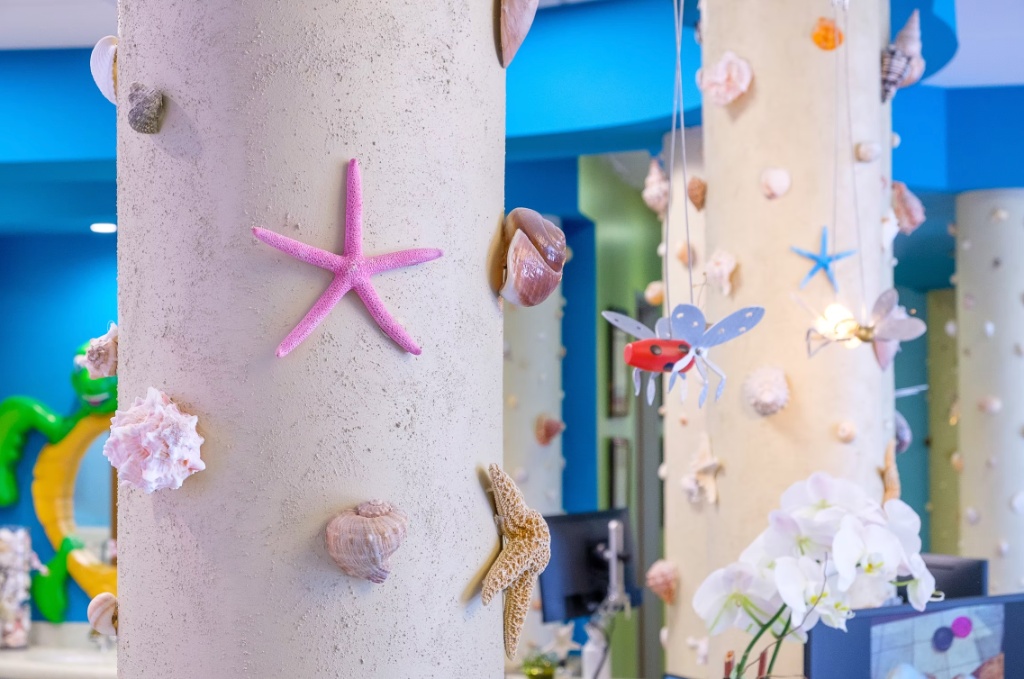
Comfort isn't an add-on.
A repair visit here starts with conversation, not instruments. Our board-certified pediatric dentists explain each step before it happens, numbing is done slowly and gently, and laughing gas is there if your child needs the edge taken off.
For many small repairs, the Solea laser lets us skip the drill — and often the shot — entirely. Most kids leave surprised by how easy it was.
What parents ask about repairs.
Because it still has a job to do. A repaired baby tooth keeps your child chewing and speaking comfortably until it's naturally ready to go — and fixing damage promptly keeps the area from becoming infected or the decay from spreading. For baby teeth we often choose bonding, since a tooth on its way out doesn't need anything fancier.
Keeping treatment comfortable is the heart of how we work. Bonding is typically painless and done without numbing; for other repairs we use gentle numbing, laughing gas for nerves, and the Solea laser — which often means no shot at all. Sedation options are available for children who need extra support.
It depends on the fix. Bonding and most fillings are finished in a single visit. Crowns — for more extensive damage — take two: your child wears a temporary first and the permanent crown is placed at the second visit. You'll have a clear plan before anything begins.
Anywhere from five years to a lifetime, depending on care. With daily brushing and flossing, no chewing on pencils and the like, and regular checkups, twenty years or more is absolutely possible. One note: children's teeth keep growing, so a restored tooth may want a small touch-up in adulthood. We check every restoration at every visit.