Sedation Dentistry
A child who's afraid of the dentist no longer has to be. Three honest comfort options — every benefit, risk, and alternative explained before anything is decided.
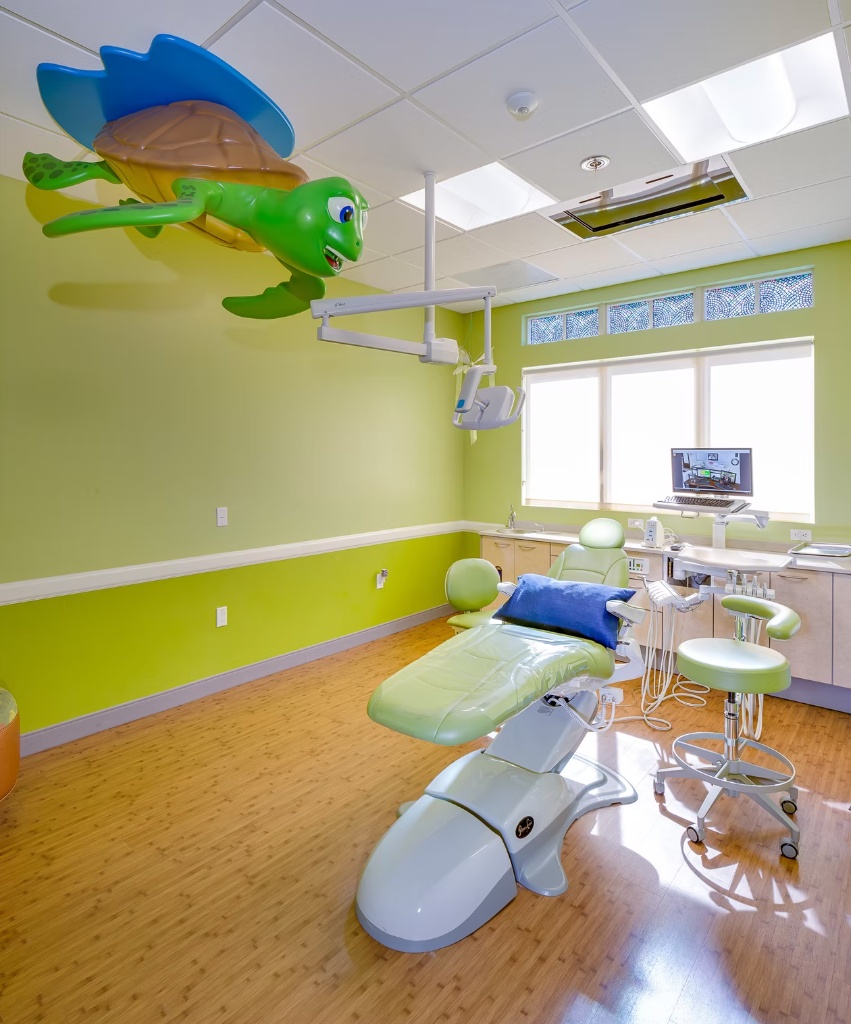
Calm, when calm is the kindest option.
Some children settle into a dental visit easily. Others feel real anxiety, have trouble sitting still, or face a longer treatment that's far easier when they're relaxed. Sedation simply helps your child stay calm and comfortable so we can care for them gently — turning a dreaded appointment into a forgettable one, in the best sense.
Dr. Linh Tsai is a board-certified pediatric dentist with additional training, licensed and well qualified to offer all three forms of sedation. Before any sedative is used, she walks you through the risks, benefits, and alternatives — so you always know exactly what to expect.
Three ways to find calm.
There's no one-size-fits-all. After a consultation, Dr. Tsai recommends the option that fits how your child is likely to handle the procedure — and the worries they're carrying into it.
Nitrous oxide
A calming blend of oxygen and nitrous oxide, breathed through a small nose mask. Often called laughing gas, it's perhaps the safest sedative in dentistry — quick, effective, and gone by the time the visit ends, without impairing anything else. Your child stays awake throughout; some children use it simply to relax during a cleaning.
Oral conscious sedation
A medication-based option that eases fear and anxiety without loss of consciousness — your child stays awake, just calm and unbothered. Every oral medication is administered and monitored by Dr. Tsai herself, so your child is in experienced, attentive hands the entire time.
IV sedation
Medication that lets your child sleep peacefully through treatment, administered and monitored by a trained dental anesthesiologist. It fits children with severe anxiety, those who can't yet cooperate, and longer procedures where holding still is simply too much to ask — with careful monitoring throughout.
Numbing only what needs numbing
Nitrous oxide is often paired with localized numbing medicine, so we numb only the spot we're working on and leave the rest of the mouth feeling normal. Treat a cavity on one side, and the other side stays just fine — which means your child can eat soon after the visit.
How we choose, together.
No surprises. We take the time to know your child and understand your concerns before any formal recommendation is made.
-
We get to know your child
Every child is different, and so is the right plan for them. We start by understanding who your child is and what worries you.
-
You share the health picture
Tell us about any health conditions, risks, or allergies. If your child has done well with pain medication or sedation in other medical care, they'll likely do well here too.
-
We decide together
Dr. Tsai explains the recommended procedure and your child's anxieties, then suggests which form of sedation to consider — always reviewing the risks, benefits, and alternatives. The final decision is yours.
-
A calm, positive visit
With the right comfort option in place, your child gets the care they need quietly and gently — and future visits feel friendlier for it.
After IV sedation: one quiet day
With IV sedation, your child is monitored carefully during and after treatment. Once home, keep a gentle eye on them as the medication wears off, and plan a calm, restful afternoon. Normal activities can usually resume the next day.
Sedation questions, answered.
Dr. Tsai does — together with you. During a consultation she discusses the recommended procedure and any anxieties your child has, then recommends the form of sedation to consider, based on how your child is likely to handle the visit. You'll always hear the risks, benefits, and alternatives before anything is decided.
Nitrous oxide is perhaps the safest sedative in dentistry and is widely used in pediatric care. It's a simple blend of oxygen and nitrous oxide with a calming effect when inhaled — quick, effective, and gone by the time the procedure is finished, without impairing your child's other bodily functions.
It depends on the option. With nitrous oxide and oral conscious sedation, your child stays awake — relaxed and able to respond, but calm. With IV sedation, your child sleeps peacefully through treatment, watched over by a trained dental anesthesiologist. Dr. Tsai will help you choose what fits best.
Please share any health issues, risks, or allergies, and let us know how your child has responded to pain medication or sedation during other medical care — a good experience there usually predicts a good one here. The more we know, the more confidently we can recommend the gentlest, safest option.
Yes. Modern sedation means a child who is afraid of the dentist no longer has to be. Even very anxious children can get the care they need comfortably — and one calm visit tends to make every visit after it easier.